
Why Does Coffee Taste Fruity? ทำไมกาแฟถึงมีรสผลไม้
กาแฟบางแก้วให้กลิ่นและรสชาติคล้ายสตรอว์เบอร์รี ลิ้นจี่ องุ่น หรือส้ม ทั้งที่ไม่ได้ใส่น้ำผลไม้หรือไซรัปเลย ความฟรุตตี้เหล่านี้ไม่ได้ถูกแต่งเติม แต่เกิดจากธรรมชาติของกาแฟเองตั้งแต่ต้นทางการปลูก กระบวนการหมัก ไปจนถึงการคั่วและการสกัดในถ้วยตรงหน้า
กาแฟคือผลไม้ตั้งแต่ต้นทาง
เมล็ดกาแฟคือเมล็ดที่อยู่ภายในผลที่เรียกว่า Coffee Cherry ซึ่งเป็นผลไม้ชนิดหนึ่ง ผลกาแฟมีน้ำตาลและกรดตามธรรมชาติ เมื่อสุกเต็มที่ น้ำตาลและกรดจะพัฒนาอย่างสมบูรณ์ และกลายเป็นรากฐานของรสชาติทั้งหมดในเมล็ดกาแฟ
น้ำตาลคือพื้นฐานของความหวาน ส่วนกรดอินทรีย์คือพื้นฐานของความสดใส เมื่อทั้งสององค์ประกอบสมดุลกันดี กาแฟจะมีศักยภาพให้รสชาติที่ซับซ้อนและมีมิติคล้ายผลไม้หลังผ่านการคั่ว

สายพันธุ์กำหนดบุคลิกของรสชาติ
กาแฟแต่ละสายพันธุ์มีคาแรกเตอร์ต่างกันอย่างชัดเจน Arabica มักให้โทนผลไม้และความละเอียดซับซ้อนมากกว่า Robusta ที่เน้นความเข้มและบอดี้หนักแน่น ส่วนสายพันธุ์พิเศษอย่าง Geisha หรือสายพันธุ์พื้นเมืองเอธิโอเปียมักให้กลิ่นดอกไม้และผลไม้โดดเด่น
เช่นเดียวกับองุ่นในโลกไวน์ สายพันธุ์ที่ต่างกันย่อมสะท้อนกลิ่นและรสที่แตกต่าง กาแฟจึงไม่เคยมีรสชาติเดียว แต่สะท้อนเอกลักษณ์ของพันธุกรรมแต่ละต้น
แหล่งปลูกสร้างความซับซ้อนให้ความฟรุตตี้
สภาพแวดล้อมในการปลูกหรือ Terroir เช่น ความสูง อุณหภูมิ ดิน และปริมาณฝน ส่งผลโดยตรงต่อโครงสร้างกรดและน้ำตาล กาแฟที่ปลูกในพื้นที่สูงและอากาศเย็นจะสุกช้ากว่า การสุกช้าทำให้น้ำตาลพัฒนาอย่างลึกและกรดมีความละเอียดมากขึ้น
ความเปรี้ยวที่เกิดขึ้นจึงเป็นความสดชื่นแบบผลไม้ ไม่ใช่ความเปรี้ยวเสีย แต่เป็นความเปรี้ยวใส สะอาด และสมดุล

การหมักคือกุญแจสำคัญของกลิ่นผลไม้
หลังการเก็บเกี่ยว เมล็ดกาแฟต้องผ่านกระบวนการแปรรูป ซึ่งรวมถึงขั้นตอนการหมัก ระหว่างการหมัก จุลินทรีย์จะเปลี่ยนน้ำตาลให้กลายเป็นสารประกอบกลิ่นที่ซับซ้อน เช่น Esters ซึ่งให้กลิ่นผลไม้และดอกไม้ รวมถึงกรดอินทรีย์ที่ช่วยเพิ่มความสดใส
กระบวนการแบบ Natural มักให้โทนผลไม้สุกชัดเจน Washed ให้ความสะอาดสดใส ส่วน Anaerobic หรือการหมักควบคุมพิเศษสามารถดึงโน้ตลิ้นจี่ องุ่น หรือเบอร์รีออกมาได้ชัดมากขึ้น โดยไม่ต้องแต่งกลิ่นใด ๆ

Acidity ในกาแฟคือความสดใส ไม่ใช่ความเสีย
คำว่า Acidity ในกาแฟคุณภาพดีหมายถึงความรู้สึกสดชื่นแบบผลไม้ คล้ายความเปรี้ยวของส้ม แอปเปิล หรือเบอร์รี ไม่ใช่ความเปรี้ยวของของเสีย กรดที่ดีคือสัญญาณของเมล็ดที่ปลูกและแปรรูปอย่างเหมาะสม
ระดับการคั่วกำหนดความชัดของโทนผลไม้
กาแฟคั่วอ่อนจะเก็บโครงสร้างกรดและสารอะโรมาที่ให้กลิ่นผลไม้ไว้ได้มากที่สุด คั่วกลางให้ความหวานและความสมดุลเพิ่มขึ้น ส่วนคั่วเข้มจะเน้นโทนช็อกโกแลต คาราเมล และความเข้มขมมากกว่า
หากคุณเคยดื่มกาแฟแล้วรู้สึกฟรุตตี้ชัดเจน ส่วนใหญ่มักเป็นกาแฟคั่วอ่อนถึงกลางอ่อนที่ตั้งใจคั่วเพื่อรักษาเอกลักษณ์ของแหล่งปลูก

แล้ว Strawberry หรือ Lychee ใน Tasting Notes มาจากไหน
คำว่า Strawberry, Lychee หรือ Grape เป็นการอธิบายกลิ่นและรสที่เรารับรู้ ไม่ได้หมายความว่ามีการเติมผลไม้ลงไป สารอะโรมาบางชนิดในกาแฟมีโครงสร้างใกล้เคียงกับสารหอมในผลไม้จริง สมองของเราจึงตีความออกมาเป็นกลิ่นที่คุ้นเคย
สรุปว่าทำไมกาแฟถึงมีรสผลไม้
กาแฟมีรสผลไม้เพราะมันคือผลไม้ตั้งแต่ต้นทาง สายพันธุ์กำหนดบุคลิก แหล่งปลูกสร้างความซับซ้อน การหมักพัฒนาสารกลิ่น และการคั่วกำหนดระดับการรับรู้ ทั้งหมดนี้ทำงานร่วมกันจนเกิดเป็นรสชาติธรรมชาติในถ้วย โดยไม่ต้องแต่งกลิ่นหรือแต่งรสเพิ่มเติม

ถ้าคุณอยากลองสัมผัสความฟรุตตี้ด้วยตัวเอง
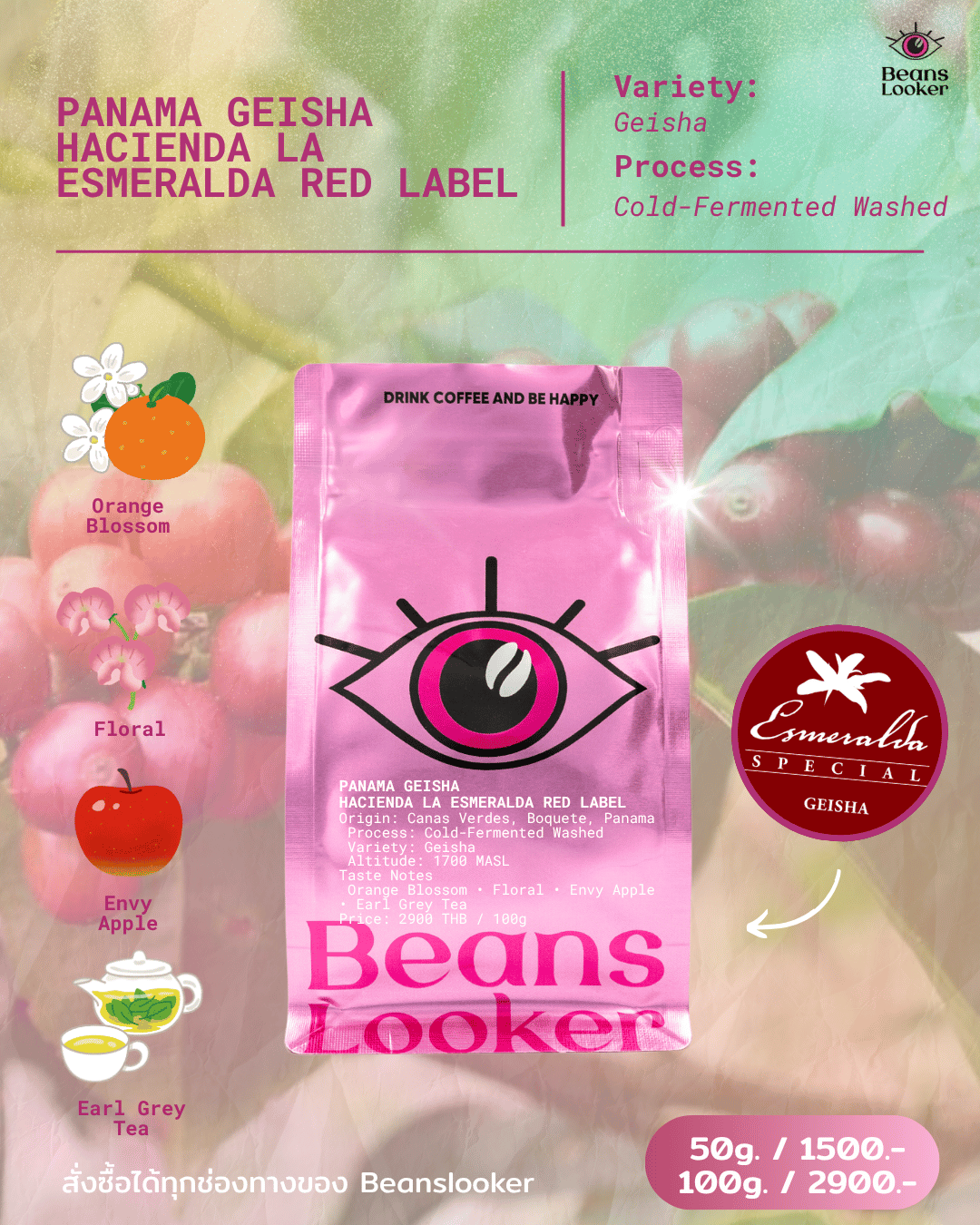
หากคุณสนใจลองกาแฟโทนผลไม้ชัด ๆ เราคัดสรรเมล็ดจากหลากหลายแหล่งปลูกที่สะท้อนคาแรกเตอร์แตกต่างกันอย่างชัดเจน เช่น Ethiopia Natural ที่ให้โทนเบอร์รีและดอกไม้ Colombia Anaerobic ที่ให้กลิ่นลิ้นจี่หรือผลไม้สุกหวานสดใส รวมถึง Geisha คุณภาพสูงที่ให้ความหอมซับซ้อนแบบชาและซิตรัส
คุณสามารถเลือกสำรวจคอลเลกชันเมล็ดกาแฟจาก Beanslooker ได้ทั้งหมวด Thai Beans และ Imported Beans เพื่อค้นหาโทนผลไม้ที่ตรงกับสไตล์การดื่มของคุณที่สุด แล้วคุณอาจค้นพบว่ากาแฟแก้วถัดไป มีมิติของรสชาติที่คุณไม่เคยสัมผัสมาก่อน
Why Does Coffee Taste Fruity?
Some cups of coffee taste like strawberry, lychee, grape, or citrus — even though no fruit or flavoring has been added. That fruity character isn’t artificial. It comes from coffee’s natural origin, from the farm all the way to the final brew.
Coffee Is a Fruit
Coffee beans are actually the seeds inside a fruit called a coffee cherry. Like other fruits, coffee cherries contain natural sugars and organic acids. When the fruit ripens properly, those sugars and acids fully develop and build the foundation of flavor inside the seed.
Sugars contribute sweetness, while organic acids create brightness. When both are well-balanced, the coffee has the potential to express complex, fruit-like notes after roasting and brewing.
Variety Shapes the Flavor Profile
Different coffee varieties have distinct personalities. Arabica is generally more delicate and fruit-forward, while Robusta tends to be heavier and more intense. Certain varieties such as Geisha or Ethiopian heirloom types are especially known for floral and fruity aromatics.
Just like wine grapes, genetic differences influence aroma and taste. Coffee does not have one universal flavor — it reflects the identity of its variety.
Terroir Adds Complexity
Terroir refers to the growing environment — altitude, temperature, soil, and climate. Coffee grown at higher elevations in cooler conditions ripens more slowly. Slow ripening allows sugars and acids to develop with greater structure and clarity.
The result is a cleaner, more refined acidity that feels like fresh fruit rather than sourness. This is the kind of brightness associated with high-quality specialty coffee.
Fermentation Unlocks Fruity Aromas
After harvesting, coffee goes through processing, and fermentation plays a crucial role in shaping flavor. During fermentation, microorganisms transform natural sugars into aromatic compounds.
One important group of compounds is esters, which are responsible for fruity and floral aromas. Organic acids enhance brightness, and in some processes, mild wine-like notes may develop. Natural processing often produces ripe fruit sweetness, washed processing highlights clarity and citrus tones, and anaerobic fermentation can intensify notes like lychee, berry, or tropical fruit — all without added flavoring.
Acidity Means Brightness, Not Sourness
In specialty coffee, acidity refers to liveliness and freshness, similar to the crispness of apple or the brightness of orange. It is not the unpleasant sourness of spoiled coffee. Well-structured acidity is a sign of careful cultivation and processing.
Roasting Determines How Much Fruit You Taste
Roast level influences how clearly fruity notes appear in the cup. Light roasts preserve acidity and aromatic compounds, making fruit characteristics more noticeable. Medium roasts create more balance and sweetness. Dark roasts emphasize chocolate, caramel, and roasted tones.
If you experience strong fruit notes in a cup, it is often a light to medium-light roast designed to highlight origin character.
Where Do Tasting Notes Like “Strawberry” or “Lychee” Come From?
Tasting notes are descriptive references, not added ingredients. Certain aromatic compounds in coffee share similarities with those found in real fruits. When we smell or taste them, our brains interpret them as familiar fruit aromas.
These notes are comparisons that help describe the experience — they are part of coffee’s natural complexity.
In Summary
Coffee tastes fruity because it is a fruit at its core. Variety defines its personality. Terroir builds structure and complexity. Fermentation creates aromatic compounds. Roasting shapes how those characteristics are expressed. Together, these elements produce natural fruit-like flavors in the cup — without artificial additives.
If You’d Like to Explore Fruity Coffees
If you’re curious to experience fruit-forward profiles yourself, explore coffees from origins known for vibrant character — such as Ethiopian Naturals with berry and floral notes, Colombian anaerobic lots with lychee-like sweetness, or elegant Geisha varieties with citrus and tea-like aromatics.
At Beanslooker, we curate both Thai and imported specialty coffees selected for their clarity, complexity, and origin-driven expression. You may discover that your next cup reveals a whole new dimension of flavor.