
Geisha Nan – Keleb Jordan จาก Esmeralda สู่กาแฟเกอิชาน่าน
จากเมล็ดพันธุ์ Geisha แห่ง Hacienda La Esmeralda สู่จุดเริ่มต้นของกาแฟเกอิชาในจังหวัดน่าน
"ทุกวันนี้ Geisha กลายเป็นหนึ่งในสายพันธุ์กาแฟที่ได้รับการยอมรับมากที่สุดในโลก แต่ก่อนที่ชื่อของ Geisha จากจังหวัดน่านจะเริ่มเป็นที่รู้จัก เรื่องราวทั้งหมดเริ่มต้นจากเมล็ดพันธุ์เพียงไม่กี่กิโลกรัมที่เดินทางข้ามทวีปจากประเทศปานามา..."
เมื่อพูดถึงกาแฟสายพันธุ์ Geisha (หรือ Gesha) ภาพแรกที่หลายคนนึกถึงมักเป็นกาแฟจากประเทศปานามา กลิ่นหอมของดอกไม้สีขาว ความหวานที่สะอาด และราคาประมูลที่สร้างสถิติระดับโลก
แต่ในช่วงไม่กี่ปีที่ผ่านมา ชื่อของ Geisha Nan หรือกาแฟเกอิชาจากจังหวัดน่าน เริ่มได้รับการพูดถึงมากขึ้นในวงการ Specialty Coffee ทั้งในประเทศไทยและต่างประเทศ
จากสายพันธุ์ที่ครั้งหนึ่งเคยถูกมองว่าปลูกยาก ให้ผลผลิตต่ำ และไม่คุ้มค่าทางเศรษฐกิจ วันนี้ Geisha กลับกลายเป็นหนึ่งในสายพันธุ์ที่สะท้อนศักยภาพของผู้ผลิตกาแฟไทยได้อย่างน่าสนใจ
เรื่องราวของ Geisha Nan จึงไม่ได้เป็นเพียงเรื่องของสายพันธุ์กาแฟ แต่เป็นเรื่องของความพยายาม การทดลอง และการแบ่งปันองค์ความรู้ระหว่างผู้คน ตั้งแต่ Hacienda La Esmeralda แห่งปานามา มาถึง Keleb Jordan ผู้บุกเบิกการทดลองปลูก Geisha ในพื้นที่บ้านมณีพฤกษ์ จังหวัดน่าน และเกษตรกรในชุมชนที่ช่วยกันพัฒนากาแฟสายพันธุ์นี้ต่อมาในแนวทางของตนเอง
Geisha มีต้นกำเนิดจากที่ใด
ก่อนพูดถึงเรื่องราวของ Geisha ในปานามา สิ่งที่หลายคนอาจยังไม่ทราบคือ กาแฟสายพันธุ์นี้ไม่ได้มีต้นกำเนิดจากปานามา หากแต่มีบ้านเกิดอยู่ที่ ป่า Gesha ทางตะวันตกเฉียงใต้ของประเทศเอธิโอเปีย ซึ่งเป็นพื้นที่ที่มีการค้นพบกาแฟป่าสายพันธุ์นี้ตั้งแต่ช่วงคริสต์ทศวรรษ 1930
หลังการค้นพบ เมล็ดพันธุ์ Geisha ถูกนำไปศึกษาและอนุรักษ์ในหลายประเทศ ก่อนเดินทางเข้าสู่ทวีปอเมริกากลางผ่านศูนย์วิจัย CATIE (Centro Agronómico Tropical de Investigación y Enseñanza) ในประเทศคอสตาริกา และถูกส่งต่อไปยังประเทศปานามาในช่วงคริสต์ทศวรรษ 1960
อย่างไรก็ตาม ในช่วงแรก Geisha ยังไม่ได้รับความนิยมมากนัก เนื่องจากเป็นสายพันธุ์ที่ให้ผลผลิตค่อนข้างต่ำ ต้นสูง ดูแลยาก และมีความอ่อนไหวต่อโรคและสภาพแวดล้อม เมื่อเทียบกับสายพันธุ์เชิงพาณิชย์อื่น เกษตรกรจำนวนมากจึงเลือกปลูกกาแฟที่ให้ผลผลิตสูงกว่าแทน
แต่เมื่อเวลาผ่านไป ผู้ผลิตกาแฟบางรายเริ่มค้นพบว่า หาก Geisha ได้รับการปลูกในสภาพแวดล้อมที่เหมาะสม โดยเฉพาะพื้นที่สูงที่มีอากาศเย็น ความชื้นสมดุล และมีความแตกต่างของอุณหภูมิระหว่างกลางวันกับกลางคืนอย่างชัดเจน สายพันธุ์นี้จะสามารถแสดงศักยภาพด้านรสชาติออกมาได้อย่างโดดเด่นเหนือกาแฟหลายสายพันธุ์
ด้วยลักษณะทางพันธุกรรมที่เป็นเอกลักษณ์ ประกอบกับสภาพภูมิอากาศที่เหมาะสม Geisha จึงมักให้รสชาติที่สะอาด ซับซ้อน และมีกลิ่นหอมโดดเด่น โดยคาแรกเตอร์ที่พบได้บ่อย ได้แก่
- กลิ่นดอกไม้สีขาว (White Floral)
- Jasmine
- Bergamot
- Citrus
- White Peach
- Tropical Fruit
- เนื้อสัมผัสคล้ายชา (Tea-like Body)
- ความหวานสะอาดและมีความยาวของรสชาติ (Clean, Lingering Sweetness)
คุณลักษณะเหล่านี้ทำให้ Geisha ได้รับการยอมรับจากนักชิมกาแฟ บาริสต้า ผู้เข้าแข่งขันรายการกาแฟระดับโลก และโรงคั่วชั้นนำ จนกลายเป็นหนึ่งในสายพันธุ์กาแฟที่ได้รับการยกย่องมากที่สุดในวงการกาแฟพิเศษ (Specialty Coffee) และเ
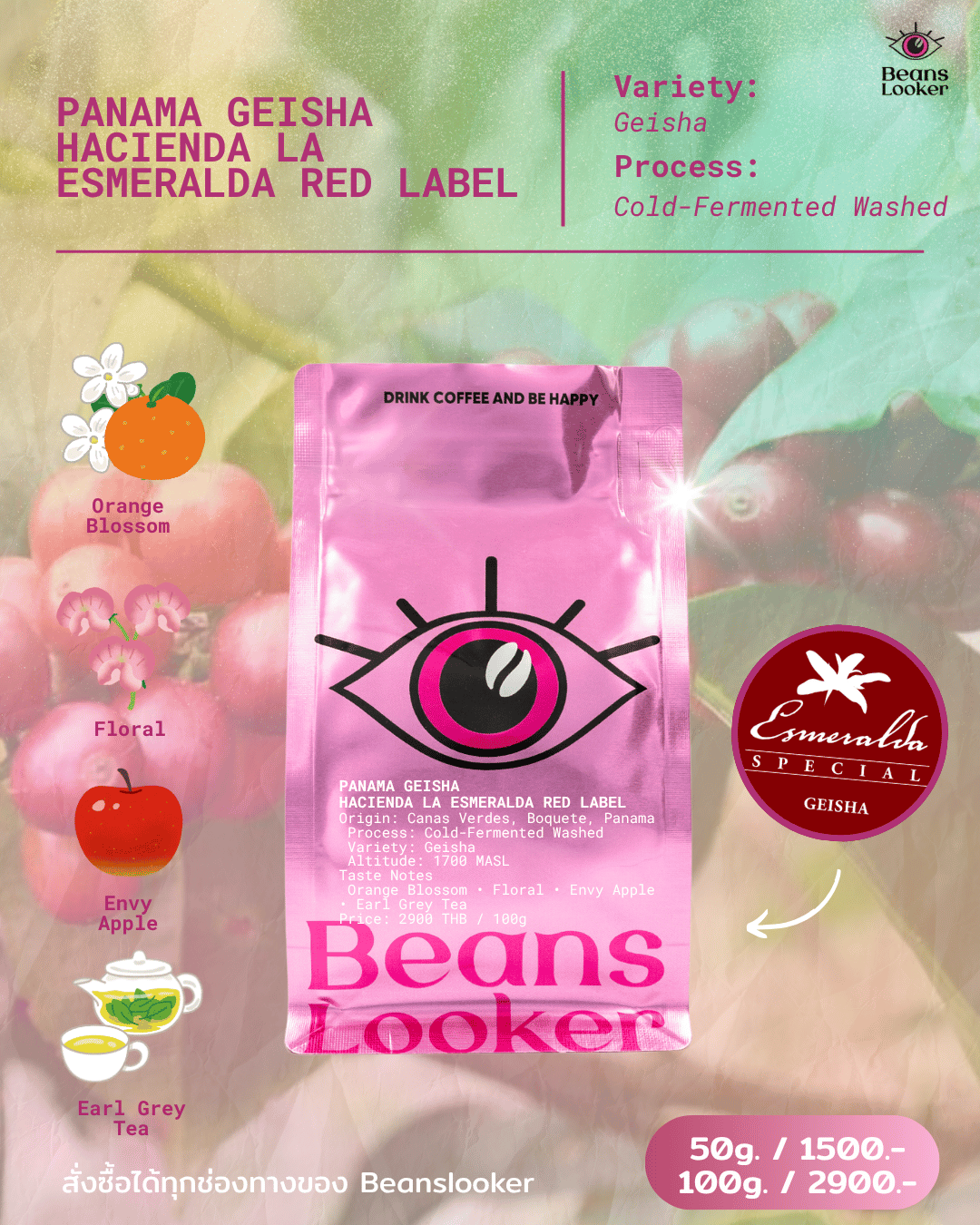
Hacienda La Esmeralda กับชื่อเสียงของ Panama Geisha
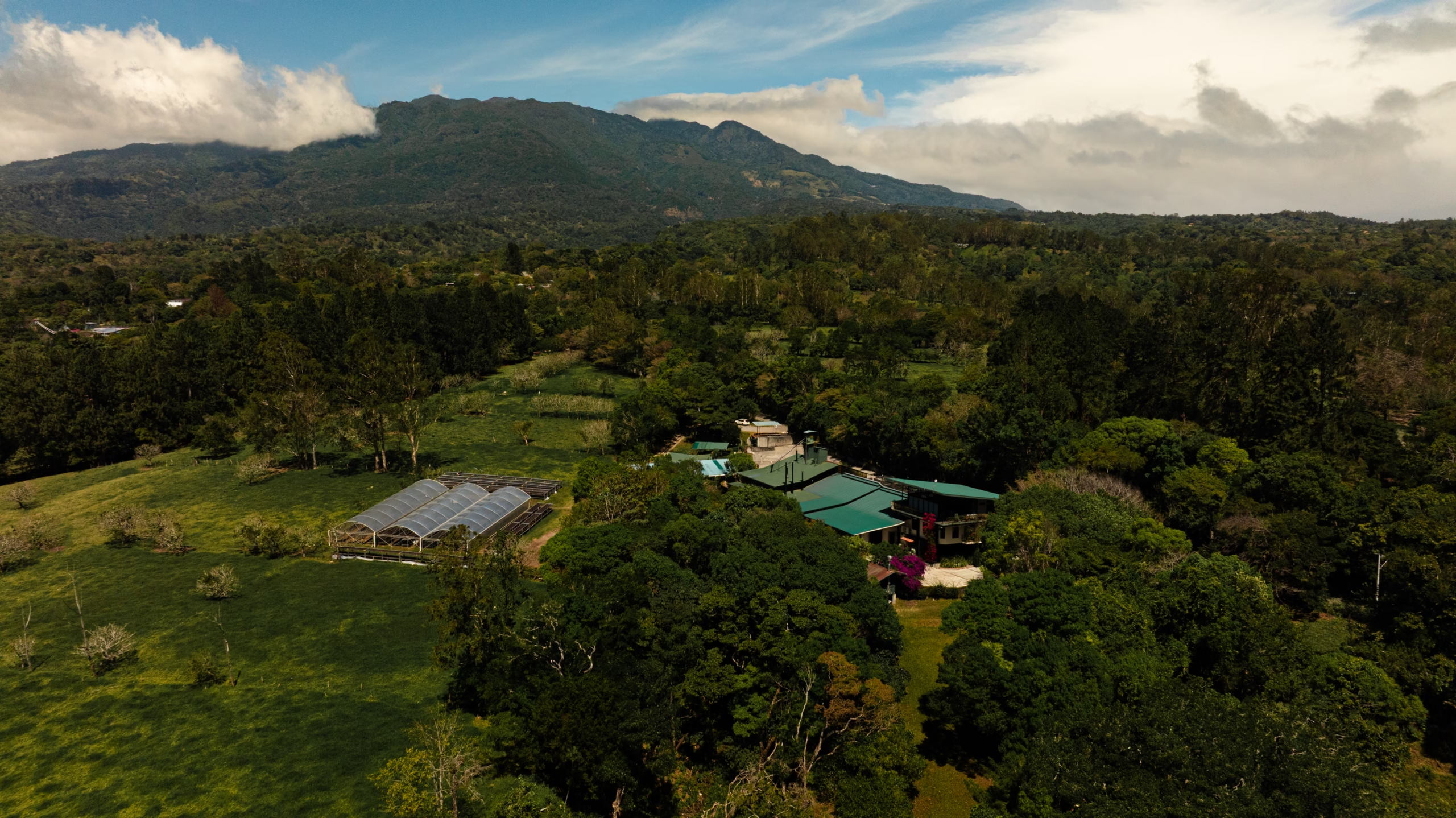
หากมีชื่อหนึ่งที่ทำให้ Geisha กลายเป็นที่รู้จักไปทั่วโลก ชื่อนั้นคือ Hacienda La Esmeralda
ฟาร์มแห่งนี้ตั้งอยู่ในเขต Boquete ประเทศปานามา ซึ่งเป็นพื้นที่ปลูกกาแฟบนระดับความสูงที่มีอากาศเย็นและสภาพแวดล้อมเหมาะสมต่อการพัฒนากลิ่นรสของ Geisha
เมื่อกาแฟ Geisha จาก Hacienda La Esmeralda ถูกส่งเข้าประกวดในเวทีระดับนานาชาติ ผลลัพธ์ที่ได้สร้างความประหลาดใจให้กับวงการกาแฟทั่วโลก
กรรมการให้คะแนนสูงเป็นประวัติการณ์ พร้อมกล่าวถึงกลิ่นหอมของดอกไม้สีขาว ความหวานที่สะอาด ความซับซ้อน และโครงสร้างรสชาติที่คล้ายชา ซึ่งแตกต่างจากกาแฟที่คุ้นเคยในยุคนั้นอย่างชัดเจน
หลังจากนั้น Geisha จาก Hacienda La Esmeralda ยังสร้างสถิติราคาประมูลหลายครั้ง และกลายเป็นหนึ่งในกาแฟที่มีมูลค่าสูงที่สุดในโลก
ความสำเร็จดังกล่าวทำให้ผู้ปลูกกาแฟในหลายประเทศเริ่มหันมาสนใจสายพันธุ์ Geisha มากขึ้น และหนึ่งในประเทศที่เริ่มทดลองปลูกอย่างจริงจังคือประเทศไทย
อ่านเกี่ยวกับ Hacienda La Esmeralda https://beanslookercoffee.com/blogs/news/panama-hacienda-la-esmeralda-geisha?srsltid=AfmBOopAsuGP6gipsnm0RrHDaT_P-ZKBTBksAIWNzrufnPHsdeXC7_Rp
จุดเริ่มต้นของ Geisha ในจังหวัดน่าน

เรื่องราวของ Geisha ในประเทศไทยมีหลายเส้นทาง แต่หนึ่งในเรื่องราวที่ได้รับการกล่าวถึงมากที่สุด คือการนำเมล็ดพันธุ์ Geisha จาก Hacienda La Esmeralda มาทดลองปลูกที่จังหวัดน่าน โดย Keleb Jordan
Keleb Jordan เป็นผู้พัฒนากาแฟในพื้นที่บ้านมณีพฤกษ์ จังหวัดน่าน และเชื่อว่าพื้นที่สูงแห่งนี้มีศักยภาพในการปลูกกาแฟคุณภาพระดับโลก
ด้วยความตั้งใจดังกล่าว เขาได้ติดต่อไปยังฟาร์มกาแฟหลายแห่งทั่วโลกเพื่อขอเมล็ดพันธุ์สำหรับนำมาทดลองปลูก หลังจากส่งอีเมลไปจำนวนมาก ฟาร์มที่ตอบกลับคือ Hacienda La Esmeralda
เมล็ดพันธุ์ Geisha จำนวนหนึ่งจึงเดินทางจากประเทศปานามา มายังจังหวัดน่าน และกลายเป็นหนึ่งในจุดเริ่มต้นสำคัญของการทดลองปลูก Geisha ในประเทศไทย
ในเวลานั้น ยังไม่มีใครทราบว่าสายพันธุ์นี้จะสามารถเติบโตได้ดีภายใต้สภาพอากาศของจังหวัดน่านหรือไม่
การทดลองจึงเต็มไปด้วยความท้าทาย ต้นกล้าหลายต้นไม่สามารถปรับตัวกับสภาพแวดล้อมใหม่ได้ บางต้นอ่อนแอต่อโรค ขณะที่บางต้นไม่สามารถให้ผลผลิตตามที่คาดหวัง
Geisha เป็นสายพันธุ์ที่ขึ้นชื่อว่าปลูกยาก ให้ผลผลิตน้อย และต้องการการดูแลอย่างละเอียดมากกว่ากาแฟหลายสายพันธุ์ แต่หลังจากการทดลองอย่างต่อเนื่อง ต้นที่สามารถปรับตัวกับสภาพแวดล้อมของบ้านมณีพฤกษ์ได้ก็เริ่มเติบโต และกลายเป็นจุดเริ่มต้นของเรื่องราว Geisha ในจังหวัดน่าน
ทำไมบ้านมณีพฤกษ์จึงเหมาะกับ Geisha

บ้านมณีพฤกษ์ อำเภอทุ่งช้าง จังหวัดน่าน ตั้งอยู่บนพื้นที่สูงประมาณ 1,300–1,600 เมตรเหนือระดับน้ำทะเล พื้นที่แห่งนี้มีอากาศเย็นตลอดปี มีหมอกในช่วงเช้า และมีความแตกต่างของอุณหภูมิระหว่างกลางวันและกลางคืนค่อนข้างมาก
สำหรับกาแฟ สิ่งเหล่านี้ถือเป็นข้อได้เปรียบอย่างมาก อุณหภูมิที่เย็นช่วยให้ผลเชอร์รี่ค่อย ๆ สุกช้าลง หรือที่เรียกว่า Slow Maturation การสุกที่ช้าลงทำให้เมล็ดกาแฟมีเวลาในการสะสมน้ำตาลและพัฒนาสารประกอบด้านกลิ่นรสได้มากขึ้น ส่งผลให้กาแฟมีความหวานที่ชัดเจน มีความซับซ้อน และมี Aftertaste ที่ยาวนาน
นอกจากนี้ พื้นที่ปลูกหลายแห่งในบ้านมณีพฤกษ์ยังเลือกใช้แนวทาง Shade-Grown Coffee หรือการปลูกกาแฟภายใต้ร่มเงาของไม้ยืนต้น
ร่มเงาจากต้นไม้ช่วยลดความร้อนจากแสงแดดโดยตรง รักษาความชื้นของดิน และสร้างระบบนิเวศที่สมดุล ซึ่งช่วยให้ต้นกาแฟแข็งแรงขึ้น และลดความเครียดของต้นกาแฟจากสภาพอากาศที่ร้อนจัด
แม้ว่าความชื้นจะเป็นปัจจัยที่อาจเพิ่มความเสี่ยงต่อโรคพืชและเชื้อรา แต่ด้วยระดับความสูง การถ่ายเทอากาศบนพื้นที่ลาดเขา รวมถึงการจัดการสวนอย่างเหมาะสม เช่น การตัดแต่งกิ่ง การเว้นระยะปลูก และการเก็บเกี่ยวอย่างพิถีพิถัน ทำให้ผู้ผลิตสามารถควบคุมคุณภาพของผลผลิตได้อย่างมีประสิทธิภาพ
เมื่อปัจจัยทางธรรมชาติทำงานร่วมกับความรู้และประสบการณ์ของผู้ปลูก Geisha จากบ้านมณีพฤกษ์จึงเริ่มแสดงคาแรกเตอร์ที่โดดเด่น ทั้งกลิ่นดอกไม้ ความหวานสะอาด และความละเอียดของรสชาติ จนได้รับความสนใจจากผู้ดื่มกาแฟพิเศษมากขึ้นเรื่อย ๆ
จากการทดลองปลูก สู่การแบ่งปันต้นกล้าในพื้นที่

หลังจากใช้เวลาหลายปีในการทดลองเพาะและคัดเลือกต้น Geisha ที่สามารถปรับตัวเข้ากับสภาพแวดล้อมของบ้านมณีพฤกษ์ได้ Keleb Jordan จึงเริ่มขยายพันธุ์และแบ่งปันต้นกล้าบางส่วนให้กับเกษตรกรในชุมชน รวมถึงเครือข่ายผู้ปลูกกาแฟในพื้นที่จังหวัดน่าน
การแบ่งปันครั้งนั้นเปิดโอกาสให้เกษตรกรหลายรายได้ทดลองปลูก Geisha และเรียนรู้ธรรมชาติของสายพันธุ์นี้ไปพร้อมกัน เพราะ Geisha เป็นกาแฟที่ขึ้นชื่อว่าปลูกค่อนข้างยาก ให้ผลผลิตไม่มาก และมีความอ่อนไหวต่อโรคและสภาพแวดล้อมมากกว่าสายพันธุ์เชิงพาณิชย์ทั่วไป
อย่างไรก็ตาม บ้านมณีพฤกษ์กลับมีปัจจัยหลายอย่างที่เอื้อต่อการปลูก Geisha ไม่ว่าจะเป็นระดับความสูงประมาณ 1,300–1,600 เมตรเหนือระดับน้ำทะเล อุณหภูมิที่เย็นตลอดปี หมอกในช่วงเช้า และความแตกต่างของอุณหภูมิระหว่างกลางวันและกลางคืน ซึ่งช่วยให้ผลกาแฟค่อย ๆ สุกช้าลง (Slow Maturation) ทำให้เมล็ดมีเวลาสะสมน้ำตาลและพัฒนาความซับซ้อนของกลิ่นรสได้มากขึ้น
ขณะเดียวกัน การปลูกกาแฟภายใต้ร่มเงาของไม้ยืนต้น (Shade-Grown Coffee) ยังช่วยลดความร้อนจากแสงแดดโดยตรง รักษาความชื้นในดิน และสร้างระบบนิเวศที่สมดุล ส่งผลให้ต้นกาแฟแข็งแรงขึ้นและช่วยลดความเสี่ยงจากความเครียดของต้นกาแฟและโรคบางชนิดได้ เมื่อทำงานร่วมกับการดูแลแปลงปลูก การตัดแต่งกิ่ง และการจัดการหลังการเก็บเกี่ยวอย่างเหมาะสม
เมื่อเวลาผ่านไป ผู้ผลิตแต่ละฟาร์มจึงค่อย ๆ พัฒนาแนวทางการปลูกและการแปรรูปในแบบของตนเอง จน Geisha จากจังหวัดน่านเริ่มแสดงเอกลักษณ์เฉพาะตัว ทั้งกลิ่นหอมแบบดอกไม้ ความหวานสะอาด และความซับซ้อนของรสชาติ จนกลายเป็นที่รู้จักในวงการ Specialty Coffee ทั้งในประเทศไทยและต่างประเทศ
แม้เรื่องราวของ Geisha ในจังหวัดน่านจะมีจุดเริ่มต้นจากการนำเมล็ดพันธุ์ของ Hacienda La Esmeralda มาทดลองปลูกโดย Keleb Jordan แต่เส้นทางการพัฒนาของ Geisha ในแต่ละฟาร์มก็มีรายละเอียดแตกต่างกันไปตามสภาพพื้นที่และแนวทางของผู้ผลิตแต่ละราย
ด้วยเหตุนี้ จึงไม่อาจกล่าวได้ว่ากาแฟ Geisha จากทุกฟาร์มในจังหวัดน่านมีต้นกำเนิดจากต้นกล้าชุดเดียวกัน หรือได้รับต้นพันธุ์จาก Keleb Jordan โดยตรง สิ่งที่เชื่อมโยงผู้ผลิตเหล่านี้เข้าด้วยกัน คือการเติบโตของ Geisha ในฐานะหนึ่งในสายพันธุ์สำคัญของบ้านมณีพฤกษ์ และความร่วมมือของเกษตรกรที่ช่วยผลักดันให้ Geisha Nan กลายเป็นหนึ่งในกาแฟพิเศษของไทยที่ได้รับการยอมรับมากขึ้น
Geisha Nan ไม่ได้มีรสชาติเพียงรูปแบบเดียว
แม้จะใช้ชื่อรวมว่า Geisha Nan แต่กาแฟ Geisha จากจังหวัดน่านไม่ได้มีรสชาติแบบเดียวกันทั้งหมด
รสชาติของกาแฟแต่ละล็อตขึ้นอยู่กับหลายปัจจัย ได้แก่
- แหล่งปลูกและตำแหน่งของแปลง
- ระดับความสูง
- ชนิดของดิน
- ปริมาณร่มเงา
- สภาพอากาศในแต่ละฤดูกาล
- ความสุกของผลเชอร์รี่
- วิธีเก็บเกี่ยว
- กระบวนการหมัก
- วิธีตาก
- การเก็บรักษาเมล็ดกาแฟ
- แนวทางการคั่ว
ดังนั้น แม้จะเป็น Geisha ที่ปลูกในจังหวัดเดียวกัน กาแฟจากแต่ละฟาร์มก็สามารถแสดงบุคลิกแตกต่างกันได้
บางล็อตอาจมีโทน White Floral และ Jasmine ชัดเจน ขณะที่บางล็อตอาจโดดเด่นด้วย Citrus, Stone Fruit, Honey หรือ Coconut Blossom Nectar
สิ่งนี้ทำให้ Geisha Nan มีเสน่ห์ในฐานะกาแฟที่สะท้อนทั้งศักยภาพของสายพันธุ์และเอกลักษณ์ของพื้นที่ปลูกในประเทศไทย
Ching Family Farm กับการพัฒนากาแฟคุณภาพจากบ้านมณีพฤกษ์

หนึ่งในผู้ผลิตที่มีบทบาทสำคัญในการยกระดับชื่อเสียงของกาแฟจากบ้านมณีพฤกษ์ คือ Ching Family Farm ของ พ่อฉิ่ง แซ่ท้าว
ครอบครัวพ่อฉิ่งเริ่มปลูกกาแฟอาราบิก้ามาอย่างต่อเนื่อง พร้อมกับแนวคิดในการฟื้นฟูผืนป่าและสร้างรายได้อย่างยั่งยืนให้กับชุมชน
จากการสังเกตในช่วงแรกของการปลูกกาแฟ พ่อฉิ่งพบว่าต้นกาแฟที่เติบโตภายใต้ร่มเงาของไม้ใหญ่กลับมีสุขภาพแข็งแรงกว่า ให้ผลผลิตที่สม่ำเสมอ และสามารถรักษาคุณภาพของผลกาแฟได้ดีกว่าการปลูกกลางแจ้ง
จากประสบการณ์ดังกล่าว ฟาร์มจึงค่อย ๆ ปรับรูปแบบการปลูกเป็น Shade-Grown Coffee หรือการปลูกกาแฟร่วมกับไม้ยืนต้น
แนวทางนี้ไม่ได้ช่วยเพียงสร้างระบบนิเวศที่สมดุล แต่ยังช่วยลดความร้อนจากแสงแดดโดยตรง รักษาความชื้นในดิน เพิ่มการไหลเวียนของอากาศ และลดความเครียดของต้นกาแฟ ทำให้ต้นกาแฟสามารถเจริญเติบโตได้อย่างสมบูรณ์
สำหรับสายพันธุ์ Geisha ซึ่งมีความอ่อนไหวต่อสภาพแวดล้อม การปลูกภายใต้ร่มเงาและบนพื้นที่สูงจึงเป็นปัจจัยสำคัญที่ช่วยให้ผลเชอร์รี่ค่อย ๆ สุกอย่างสม่ำเสมอ และพัฒนาความซับซ้อนของรสชาติได้อย่างเต็มศักยภาพ
ภายใน Ching Family Farm มีการปลูกกาแฟหลายสายพันธุ์ ไม่ว่าจะเป็น Geisha, Java, Typica และ Catimor โดยแต่ละสายพันธุ์ได้รับการแยกแปลงปลูกและดูแลให้เหมาะสมกับลักษณะของต้นกาแฟแต่ละชนิด
Cup of Excellence เวทีที่สะท้อนคุณภาพของผู้ผลิตกาแฟ
เมื่อพูดถึงกาแฟคุณภาพ หลายคนอาจคุ้นเคยกับคะแนน Cupping Score แต่สำหรับผู้ผลิตกาแฟแล้ว หนึ่งในเวทีที่ได้รับการยอมรับมากที่สุดในระดับโลก คือ Cup of Excellence (COE)
Cup of Excellence เป็นโครงการประกวดกาแฟพิเศษระดับนานาชาติที่ดำเนินงานโดยองค์กร Alliance for Coffee Excellence (ACE) ซึ่งมีเป้าหมายในการค้นหากาแฟคุณภาพสูงจากแต่ละประเทศ และเชื่อมโยงผู้ผลิตกับผู้ซื้อจากทั่วโลก
กาแฟทุกตัวที่ส่งเข้าประกวดจะผ่านการประเมินหลายรอบ ตั้งแต่การคัดเลือกในประเทศ ไปจนถึงการชิมซ้ำโดยคณะกรรมการผู้เชี่ยวชาญจากนานาประเทศ ผ่านระบบ Blind Cupping หรือการชิมแบบไม่เปิดเผยข้อมูลของผู้ผลิต เพื่อให้การตัดสินเป็นไปอย่างโปร่งใสและยึดคุณภาพของกาแฟเป็นหลัก
กรรมการจะประเมินองค์ประกอบต่าง ๆ เช่น
- Aroma
- Flavor
- Acidity
- Body
- Aftertaste
- Balance
- Sweetness
- Clean Cup
- Overall Impression
กาแฟที่ผ่านเกณฑ์จะได้รับคะแนนและการจัดอันดับ ก่อนเข้าสู่กระบวนการ Auction หรือการประมูลระดับนานาชาติ ซึ่งเปิดโอกาสให้โรงคั่วและผู้ซื้อจากหลายประเทศแข่งขันเสนอราคา
ด้วยมาตรฐานการประเมินที่เข้มงวด COE จึงไม่ได้เป็นเพียงการแข่งขัน แต่เป็นเวทีที่สะท้อนศักยภาพของผู้ผลิตและคุณภาพของฟาร์มในระดับสากล
Ching Family Farm กับรางวัลอันดับ 3 จาก Cup of Excellence Thailand

คุณภาพของกาแฟไม่ได้สะท้อนเพียงแค่รสชาติในแก้ว แต่ยังสะท้อนผ่านเวทีการแข่งขันที่ได้รับการยอมรับจากผู้เชี่ยวชาญทั่วโลก หนึ่งในนั้นคือ Cup of Excellence (COE) เวทีประกวดกาแฟพิเศษระดับนานาชาติที่หลายคนในวงการกาแฟยกให้เป็นหนึ่งในมาตรฐานสูงสุดของการประเมินคุณภาพเมล็ดกาแฟ
กาแฟที่เข้าร่วมการแข่งขันจะต้องผ่านการชิมและประเมินหลายรอบจากคณะกรรมการผู้เชี่ยวชาญทั้งในประเทศและต่างประเทศ โดยใช้การชิมแบบ Blind Cupping เพื่อให้ทุกคะแนนสะท้อนคุณภาพของกาแฟอย่างแท้จริง ไม่อิงชื่อฟาร์มหรือชื่อผู้ผลิต
ในปี 2026 กาแฟจาก Ching Family Farm ของ คุณฉิ่ง แซ่ท้าว ได้รับการยอมรับบนเวทีแห่งนี้ด้วยการคว้า อันดับที่ 3 ของ Cup of Excellence Thailand 2026 จากกาแฟสายพันธุ์ Geisha ที่ผ่านกระบวนการ Honey Process และได้รับคะแนนสูงถึง 89.69 คะแนน
อีกหนึ่งสิ่งที่ทำให้ผลงานของ Ching Family Farm โดดเด่น คือศักยภาพในการผลิตกาแฟคุณภาพสูงได้ในปริมาณที่เพียงพอต่อความต้องการของตลาด โดยฟาร์มแจ้งปริมาณการผลิตไว้ที่ 500 กิโลกรัม (Maximum Volume) ซึ่งถือเป็นจุดแข็งที่น่าสนใจ เพราะกาแฟคุณภาพระดับแข่งขันจำนวนไม่น้อยมักมีผลผลิตค่อนข้างจำกัด ทำให้ยากต่อการตอบสนองความต้องการของผู้ซื้อและโรงคั่วจากต่างประเทศ
สำหรับ Beanslooker ความสำเร็จครั้งนี้ไม่ได้เป็นเพียงรางวัลของฟาร์ม แต่ยังเป็นเครื่องยืนยันถึงมาตรฐาน ความใส่ใจ และประสบการณ์ของผู้ผลิต ซึ่งเป็นเหตุผลสำคัญที่ทำให้เราเลือกคัดสรรกาแฟจาก Ching Family Farm มานำเสนอ
ทั้งนี้ THAILAND NAN GEISHA WASHED AND HONEY ที่ Beanslooker คัดเลือกในครั้งนี้ ไม่ใช่กาแฟล็อตเดียวกับที่ส่งเข้าประกวด แต่เป็นกาแฟจากฟาร์มเดียวกัน ซึ่งเราคัดเลือกจากความเชื่อมั่นในคุณภาพและมาตรฐานการผลิตของ Ching Family Farm ที่ได้รับการพิสูจน์ผ่านเวทีระดับนานาชาติอย่าง Cup of Excellence Thailand
การประมูลกาแฟหลังการแข่งขันคืออะไร
หลังจากกาแฟผ่านการตัดสินและได้รับการจัดอันดับจาก Cup of Excellence กาแฟบางล็อตจะถูกนำเข้าสู่ระบบ Auction หรือการประมูล
โรงคั่ว ผู้นำเข้า และผู้ซื้อจากหลายประเทศสามารถเสนอราคาเพื่อซื้อกาแฟล็อตที่ได้รับการคัดเลือก
ราคาของกาแฟแต่ละล็อตจะขึ้นอยู่กับหลายปัจจัย ได้แก่
- คะแนนที่ได้รับ
- อันดับในการแข่งขัน
- สายพันธุ์
- รสชาติ
- ปริมาณกาแฟ
- ชื่อเสียงของผู้ผลิต
- ความต้องการของผู้ซื้อ
การประมูลช่วยให้เกษตรกรได้รับผลตอบแทนที่สอดคล้องกับคุณภาพของกาแฟมากขึ้น และยังเปิดโอกาสให้กาแฟจากแหล่งปลูกนั้นเป็นที่รู้จักในตลาดต่างประเทศ
จึงอาจกล่าวได้ว่า COE ไม่ได้เป็นเพียงการแข่งขัน แต่เป็นกลไกที่เชื่อมโยงเกษตรกรกับผู้ซื้อกาแฟคุณภาพจากทั่วโลก
Geisha Nan ที่สะท้อนการเดินทางของกาแฟไทย
จากเมล็ดพันธุ์ที่เดินทางมาจาก Hacienda La Esmeralda สู่การทดลองปลูกโดย Keleb Jordan ที่บ้านมณีพฤกษ์ เรื่องราวของ Geisha Nan ค่อย ๆ เติบโตผ่านการเรียนรู้ของผู้คนในพื้นที่
เมื่อเกษตรกรแต่ละรายนำ Geisha ไปพัฒนาต่อภายใต้สภาพแวดล้อมและแนวทางของตนเอง กาแฟสายพันธุ์นี้จึงไม่ได้เป็นเพียงการนำสายพันธุ์จากต่างประเทศมาปลูกในไทย
แต่ได้กลายเป็นกาแฟที่สะท้อนภูมิประเทศ อากาศ ความรู้ และฝีมือของเกษตรกรไทย
Geisha Nan ในปัจจุบันจึงมีคุณค่าในหลายมิติ ทั้งในฐานะกาแฟสายพันธุ์คุณภาพสูง ในฐานะผลลัพธ์ของการทดลองและการแบ่งปัน และในฐานะตัวแทนของศักยภาพกาแฟพิเศษจากประเทศไทย
Geisha Nan กับอนาคตของ Specialty Coffee ไทย
ในอดีต หากพูดถึง Geisha หลายคนอาจมองว่าเป็นกาแฟที่ไกลตัว เป็นกาแฟจากประเทศปานามาที่มีราคาสูง และมีโอกาสได้ลิ้มลองเพียงในร้านกาแฟเฉพาะทางหรือเวทีการแข่งขันระดับโลก
แต่วันนี้ เรื่องราวของ Geisha ได้เดินทางมาถึงประเทศไทย
จากเมล็ดพันธุ์ที่ถูกนำมาทดลองปลูกบนพื้นที่สูงของ บ้านมณีพฤกษ์ จังหวัดน่าน Geisha ได้ค่อย ๆ เติบโตผ่านการเรียนรู้ของผู้ปลูกกาแฟหลายรุ่น ผ่านการทดลอง การปรับตัว และการพัฒนาอย่างต่อเนื่อง
แม้แต่ละฟาร์มจะมีแนวทางการผลิตที่แตกต่างกัน แต่สิ่งที่เหมือนกันคือความตั้งใจที่จะดึงศักยภาพของพื้นที่ปลูกออกมาให้ได้มากที่สุด
นี่คือเหตุผลที่ Geisha จากจังหวัดน่าน ในวันนี้ ไม่ได้เป็นเพียง "กาแฟสายพันธุ์ Geisha ที่ปลูกในประเทศไทย" แต่กำลังค่อย ๆ สร้างเอกลักษณ์ของตัวเองบนเวที Specialty Coffee
จาก Esmeralda สู่บ้านมณีพฤกษ์
เรื่องราวของ Geisha Nan ไม่ใช่เรื่องของการลอกแบบปานามา แต่คือเรื่องของการต่อยอดเมล็ดพันธุ์จาก Hacienda La Esmeralda เปรียบเสมือนจุดเริ่มต้นของการเดินทาง ขณะที่ บ้านมณีพฤกษ์ คือสถานที่ที่เรื่องราวบทใหม่เริ่มต้นขึ้น
Keleb Jordan มีบทบาทสำคัญในการนำเมล็ดพันธุ์ Geisha จากปานามามาทดลองปลูก และช่วยให้สายพันธุ์นี้เริ่มเป็นที่รู้จักในพื้นที่จังหวัดน่าน
จากนั้น ผู้ผลิตกาแฟในบ้านมณีพฤกษ์แต่ละรายก็นำประสบการณ์ ความรู้ และสภาพแวดล้อมของตนเองมาพัฒนา Geisha ต่อในแนวทางที่แตกต่างกัน
นี่คือเหตุผลที่ Geisha Nan ไม่ได้มีเพียงรสชาติเดียว แต่เป็นภาพสะท้อนของผู้ผลิตแต่ละฟาร์ม ผ่านภูมิประเทศ สภาพอากาศ และวิธีการดูแลที่แตกต่างกัน
ทำไม Beanslooker จึงเลือก Geisha จากบ้านมณีพฤกษ์
ตลอดหลายปีที่ผ่านมา Beanslooker เชื่อว่ากาแฟที่ดีไม่ได้วัดจากชื่อเสียงของสายพันธุ์เพียงอย่างเดียว
แต่เกิดจากความสัมพันธ์ระหว่างพื้นที่ปลูก ผู้ผลิต และวิธีการดูแลในทุกขั้นตอน
ด้วยเหตุนี้ เราจึงเลือกทำงานร่วมกับผู้ผลิตที่เราเชื่อมั่น ไม่ใช่เพียงเพราะชื่อของสายพันธุ์ แต่เพราะคุณภาพที่สม่ำเสมอ ความใส่ใจในทุกขั้นตอน และแนวคิดในการผลิตกาแฟที่สอดคล้องกับสิ่งที่เราให้ความสำคัญ
สำหรับ Ching Family Farm ความเชื่อมั่นของเรามาจากมาตรฐานการผลิตที่ได้รับการยอมรับในเวที Cup of Excellence Thailand ซึ่งสะท้อนถึงศักยภาพของฟาร์มในระดับสากล แม้ว่ากาแฟที่เราจำหน่ายจะไม่ได้เป็นล็อตที่ส่งเข้าประกวดก็ตาม
ส่วน Phuvaeview Coffee Farm คืออีกหนึ่งตัวแทนของผู้ผลิตรุ่นใหม่ในบ้านมณีพฤกษ์ ที่สามารถถ่ายทอดเอกลักษณ์ของ Geisha ผ่านคาแรกเตอร์ที่สดใส สะอาด และเต็มไปด้วยกลิ่นดอกไม้
เราจึงเลือกนำเสนอ Geisha จากทั้งสองฟาร์ม เพื่อให้ผู้ดื่มได้สัมผัสว่า แม้จะเป็นสายพันธุ์เดียวกันและมาจากพื้นที่เดียวกัน แต่เรื่องราวในแก้วสามารถแตกต่างกันได้อย่างน่าสนใจ
อีกหนึ่งมิติของ Geisha จาก Ching Family Farm
นอกจากการนำเสนอ Geisha Washed ที่เผยเสน่ห์ของสายพันธุ์ผ่านความสะอาด สดใส และโครงสร้างที่ชัดเจนแล้ว Beanslooker ยังอยากถ่ายทอดอีกแง่มุมหนึ่งของ Geisha จาก Ching Family Farm ผ่านกระบวนการ Honey Process
แม้จะเป็นต้น Geisha จากพื้นที่เดียวกัน แต่เมื่อเปลี่ยนวิธีการแปรรูป คาแรกเตอร์ของกาแฟก็เปลี่ยนไปอย่างชัดเจน Honey Process ช่วยเพิ่มเนื้อสัมผัสที่นุ่มนวล ความหวานตามธรรมชาติ และมิติของกลิ่นดอกไม้กับผลไม้ให้โดดเด่นยิ่งขึ้น
สิ่งนี้สะท้อนให้เห็นว่า Geisha Nan ไม่ได้มีเพียงเอกลักษณ์จากสายพันธุ์หรือพื้นที่ปลูกเท่านั้น แต่ยังเกิดจากการตัดสินใจและงานฝีมือของผู้ผลิตในทุกขั้นตอน ตั้งแต่การเก็บเกี่ยว การหมัก ไปจนถึงการตากและการดูแลเมล็ดกาแฟ
THAILAND NAN GEISHA COLLECTION
Beanslooker คัดเลือก Geisha จากจังหวัดน่าน เพื่อสะท้อนศักยภาพของพื้นที่ปลูกและความหลากหลายของการแปรรูป โดยแต่ละตัวล้วนบอกเล่าเรื่องราวของผู้ผลิตในมุมมองที่แตกต่างกัน
THAILAND NAN GEISHA HONEY — CHING FAMILY FARM

Origin: Thung Chang, Nan, Thailand
Farm: Ching Family Farm
Producer: Nan Ching Coffee Farm
Process: Honey
Variety: Geisha
Altitude: 1,400–1,600 MASL
Taste Notes
- Chrysanthemum
- Honeysuckle
- Marian Plum
700 THB / 100g
Geisha จากฟาร์มครอบครัวในอำเภอทุ่งช้าง จังหวัดน่าน ที่สะท้อนทั้งหัวใจของผู้ปลูกและงานฝีมือในทุกขั้นตอน
เชอร์รี่กาแฟทุกผลถูกคัดเลือกด้วยมือจากต้น Geisha ที่เติบโตบนความสูง 1,400–1,600 เมตรเหนือระดับน้ำทะเล ก่อนผ่านกระบวนการ Honey Process อย่างพิถีพิถัน เพื่อรักษาความหวานตามธรรมชาติและเพิ่มมิติของรสชาติให้โดดเด่นยิ่งขึ้น
ผลลัพธ์คือกาแฟที่ให้สัมผัสนุ่มนวล พร้อมกลิ่นหอมของ Chrysanthemum และ Honeysuckle ก่อนตามด้วยความหวานฉ่ำของ Marian Plum ถ่ายทอดเสน่ห์ของ Geisha ในอีกมิติที่ทั้งละเอียดอ่อนและอบอุ่น
งานศิลป์จากยอดดอยสู่ทุกแก้ว
เบื้องหลังรสชาติของ Geisha ตัวนี้ คือความตั้งใจของครอบครัวผู้ปลูกที่ดูแลต้นกาแฟมาตั้งแต่ต้นน้ำ พ่อฉิ่งยังคงเก็บเชอร์รี่กาแฟทีละผลด้วยมือ เลือกเฉพาะผลสุกที่พร้อมที่สุด ก่อนนำเข้าสู่กระบวนการผลิตอย่างละเอียดในทุกขั้นตอน
ตั้งแต่การคัดเชอร์รี่ การหมักแบบ Anaerobic การตากด้วยแสงอาทิตย์ (Solar Drying) การดูแลในช่วง Post-Fermentation ไปจนถึงการลดความชื้นในขั้นตอน Final Drying ทุกกระบวนการล้วนมีเป้าหมายเดียวกัน คือการถ่ายทอดศักยภาพของ Geisha จากผืนดินจังหวัดน่านให้ออกมาอย่างสมบูรณ์ที่สุด
อ่าน Geisha Nan Honey (Ching) – งานศิลป์จากยอดดอย สู่ทุกแก้วกาแฟ ต่อ
THAILAND NAN GEISHA WASHED — CHING FAMILY FARM

Origin: Maneepruek Village, Nan, Thailand
Farm: Ching Family Farm
Process: Washed
Variety: Geisha
Altitude: 1,500–1,600 MASL
Taste Notes
- Jasmine
- Bergamot
- White Peach
- Coconut Blossom Nectar
700 THB / 100g
เหมาะสำหรับผู้ที่ชื่นชอบกาแฟโทน Floral ที่ให้ความหวานนุ่มนวล มีความซับซ้อน และโครงสร้างแบบ Tea-like
THAILAND NAN GEISHA WASHED — PHUVAEVIEW COFFEE FARM

Origin: Maneepruek Village, Nan, Thailand
Farm: Phuvaeview Coffee Farm
Process: Washed
Variety: Geisha
Altitude: 1,400–1,600 MASL
Taste Notes
- Jasmine
- Coffee Blossom
- Lemon
- Nectarine
800 THB / 100g
เหมาะสำหรับผู้ที่ชื่นชอบกาแฟสะอาด สดใส มีความเปรี้ยวหวานแบบ Citrus และเผยรายละเอียดของสายพันธุ์ Geisha ได้อย่างชัดเจน
บทส่งท้าย
ทุกวันนี้ หากมีคนถามว่า Geisha ที่ดีที่สุดต้องมาจากที่ไหน คำตอบอาจไม่ได้มีเพียงประเทศเดียวอีกต่อไป
แม้ว่าปานามาจะเป็นประเทศที่ทำให้ Geisha เป็นที่รู้จักไปทั่วโลก แต่เมื่อเมล็ดพันธุ์เดียวกันได้เดินทางมาสู่บ้านมณีพฤกษ์ จังหวัดน่าน ก็ได้เริ่มต้นเรื่องราวบทใหม่ที่แตกต่างออกไป
เรื่องราวที่ไม่ได้เกิดจากการลอกเลียนแบบ แต่เกิดจากการเรียนรู้ การทดลอง และการพัฒนาอย่างต่อเนื่องของผู้ปลูกกาแฟไทย
- จากเมล็ดพันธุ์ที่เดินทางไกลจาก Hacienda La Esmeralda สู่ภูเขาในจังหวัดน่าน
- จากการทดลองของ Keleb Jordan สู่การเติบโตของ Geisha ในชุมชน
- จากความตั้งใจของผู้ผลิตอย่าง Ching Family Farm และ Phuvaeview Coffee Farm สู่กาแฟในแก้วที่เราดื่มในวันนี้
ทั้งหมดคือเรื่องราวของ Geisha Nan เรื่องราวที่ยังคงเติบโตต่อไป พร้อมกับผู้คนที่เชื่อว่า กาแฟไทยสามารถสร้างเอกลักษณ์ของตัวเองได้อย่างภาคภูมิ และสามารถก้าวขึ้นไปยืนบนเวที Specialty Coffee ของโลกได้ด้วยคุณภาพที่เกิดจากผืนดิน ผู้คน และความตั้งใจในทุกขั้นตอนของการผลิต
ประสบการณ์พิเศษจาก Keleb Jordan
เพื่อเชื่อมโยงผู้ดื่มกลับไปยังจุดเริ่มต้นของเรื่องราว Geisha Nan ทาง Beanslooker เตรียม กาแฟจาก Keleb Jordan ขนาดทดลอง 1 Tube สำหรับมอบเป็นของพิเศษร่วมกับ Geisha Nan
ผู้ดื่มจึงมีโอกาสได้สัมผัสทั้งกาแฟ Geisha Nan จาก Ching Family Farm, Phuvaeview Coffee Farm และกาแฟจาก Keleb Jordan ผู้มีบทบาทสำคัญต่อการนำ Geisha จากปานามามาทดลองปลูกในจังหวัดน่าน
ของพิเศษนี้มีจำนวนจำกัดและจัดทำสำหรับการแจกเท่านั้น ไม่มีจำหน่ายแยก
รับฟรีกาแฟจาก Keleb Jordan จำนวน 1 Tube ตามเงื่อนไขที่กำหนด และจนกว่าสินค้าจะหมด เฉพาะสั่งซื้อผ่านไลน์และเว็บไซต์เท่านั้น
_______________________________________________________________________
From Geisha Seeds of Hacienda La Esmeralda to the Beginning of Geisha Coffee in Nan Province
"Today, Geisha has become one of the most highly regarded coffee varieties in the world. But before Geisha from Nan Province began to gain recognition, the entire story started with just a few kilograms of seeds that travelled across continents from Panama..."
When people talk about the Geisha (or Gesha) coffee variety, the first image that often comes to mind is coffee from Panama, with its white floral aromas, clean sweetness, and world-record auction prices.
However, in recent years, the name Geisha Nan, or Geisha coffee from Nan Province, has increasingly been mentioned within the Specialty Coffee community, both in Thailand and internationally.
Once considered a variety that was difficult to cultivate, produced low yields, and offered limited economic value, Geisha has now become one of the coffee varieties that best reflects the potential of Thai coffee producers.
The story of Geisha Nan is therefore not simply the story of a coffee variety. It is a story of perseverance, experimentation, and the sharing of knowledge among people—from Hacienda La Esmeralda in Panama, to Keleb Jordan, who pioneered the cultivation of Geisha in Maneepruek Village, Nan Province, and to the farmers within the community who later continued to develop this variety in their own ways.
Where Did Geisha Originate?
Before talking about the story of Geisha in Panama, one fact that many people may not know is that this coffee variety did not originate in Panama. Its true birthplace is the Gesha Forest in southwestern Ethiopia, where this wild coffee variety was first discovered in the 1930s.
Following its discovery, Geisha seeds were studied and preserved in several countries before being introduced to Central America through CATIE (Centro Agronómico Tropical de Investigación y Enseñanza) in Costa Rica. The variety was later brought to Panama during the 1960s.
However, in its early years, Geisha was not particularly popular. Compared with other commercial coffee varieties, it produced relatively low yields, grew into tall trees that were difficult to manage, and was highly susceptible to diseases and environmental conditions. As a result, many farmers chose to cultivate higher-yielding varieties instead.
Over time, however, some coffee producers discovered that when Geisha was grown under suitable conditions—particularly at high elevations with cool temperatures, balanced humidity, and significant temperature differences between day and night—it was able to express extraordinary cup quality that surpassed many other coffee varieties.
Thanks to its unique genetic characteristics and suitable growing environment, Geisha is often known for producing a cup that is clean, complex, and highly aromatic. Its most commonly recognised characteristics include:
- White Floral
- Jasmine
- Bergamot
- Citrus
- White Peach
- Tropical Fruit
- Tea-like Body
- Clean, Lingering Sweetness
These characteristics have earned Geisha worldwide recognition among coffee tasters, baristas, World Coffee Championship competitors, and leading coffee roasters, making it one of the most highly respected coffee varieties in the Specialty Coffee industry.
Hacienda La Esmeralda and the Reputation of Panama Geisha
If there is one name that made Geisha known around the world, that name is Hacienda La Esmeralda.
The farm is located in Boquete, Panama, a coffee-growing region at high elevation with a cool climate and an environment ideally suited to developing the distinctive flavour profile of Geisha.
When Geisha coffee from Hacienda La Esmeralda was entered into an international coffee competition, the results surprised the global coffee industry.
The judges awarded it unprecedentedly high scores, praising its white floral aromas, clean sweetness, complexity, and tea-like cup structure, which clearly distinguished it from the coffees commonly found at that time.
Following this success, Geisha from Hacienda La Esmeralda went on to set multiple auction price records and became one of the most valuable coffees in the world.
This achievement encouraged coffee producers in many countries to take a greater interest in the Geisha variety, and Thailand became one of the countries that began experimenting seriously with its cultivation.
Read more about Hacienda La Esmeralda:
https://beanslookercoffee.com/blogs/news/panama-hacienda-la-esmeralda-geisha
The Beginning of Geisha in Nan Province
The story of Geisha in Thailand has taken many different paths, but one of the most widely recognised began with the introduction of Geisha seeds from Hacienda La Esmeralda to Nan Province by Keleb Jordan.
Keleb Jordan is a coffee developer based in Maneepruek Village, Nan Province, who believed that this highland region had the potential to produce world-class coffee.
With this vision in mind, he contacted coffee farms around the world in search of seeds for experimental cultivation. After sending numerous emails, the farm that responded was Hacienda La Esmeralda.
A quantity of Geisha seeds was then shipped from Panama to Nan Province, becoming one of the key starting points for the experimental cultivation of Geisha in Thailand.
At that time, no one knew whether this variety would be able to thrive under the climatic conditions of Nan Province.
The experiment was therefore filled with challenges. Many seedlings failed to adapt to their new environment, some were vulnerable to diseases, while others did not produce the expected yield.
Geisha has long been known as a variety that is difficult to cultivate, produces relatively low yields, and requires more meticulous care than many other coffee varieties. However, after years of continuous experimentation, the trees that successfully adapted to the environment of Maneepruek Village began to flourish, marking the beginning of the Geisha story in Nan Province.
Why Is Maneepruek Village Ideal for Growing Geisha?
Maneepruek Village, located in Thung Chang District, Nan Province, sits at an elevation of approximately 1,300–1,600 meters above sea level. The area enjoys a cool climate throughout the year, frequent morning mist, and significant temperature differences between day and night.
For coffee cultivation, these conditions provide a significant advantage. The cool temperatures allow coffee cherries to ripen more slowly, a process known as Slow Maturation. This slower ripening gives the coffee beans more time to accumulate sugars and develop aromatic compounds, resulting in greater sweetness, more complexity, and a longer-lasting aftertaste.
In addition, many coffee farms in Maneepruek Village adopt the Shade-Grown Coffee approach, cultivating coffee beneath the canopy of forest trees.
The shade provided by the trees helps reduce direct sunlight, retain soil moisture, and create a balanced ecosystem. This allows the coffee trees to grow stronger while reducing heat stress caused by extreme weather conditions.
Although humidity can increase the risk of plant diseases and fungal infections, the high elevation, good air circulation along the mountain slopes, and proper farm management—such as pruning, appropriate tree spacing, and careful harvesting—enable producers to maintain excellent coffee quality.
When these natural conditions are combined with the knowledge and experience of the growers, Geisha from Maneepruek Village begins to express its distinctive characteristics, including floral aromas, clean sweetness, and refined flavour complexity, earning increasing recognition among Specialty Coffee enthusiasts.
From Experimental Cultivation to Sharing Seedlings Within the Community
After spending many years experimenting with and selecting Geisha trees that were able to adapt to the environment of Maneepruek Village, Keleb Jordan began propagating the variety and sharing some of the seedlings with farmers in the community, as well as with coffee-growing networks throughout Nan Province.
This initiative gave many farmers the opportunity to experiment with cultivating Geisha and to learn about the nature of this variety together. Geisha is widely known as a coffee variety that is relatively difficult to grow, produces low yields, and is more susceptible to diseases and environmental conditions than most commercial varieties.
Nevertheless, Maneepruek Village possesses several natural advantages that are well suited to Geisha cultivation. These include its elevation of approximately 1,300–1,600 meters above sea level, cool temperatures throughout the year, morning mist, and significant temperature differences between day and night. These conditions allow the coffee cherries to ripen more slowly (Slow Maturation), giving the beans more time to accumulate sugars and develop greater aromatic complexity.
At the same time, cultivating coffee under the shade of forest trees (Shade-Grown Coffee) helps reduce direct sunlight, retain soil moisture, and create a balanced ecosystem. As a result, the coffee trees become healthier while reducing stress caused by excessive heat and lowering the risk of certain diseases when combined with proper farm management, pruning, and post-harvest processing.
Over time, each producer gradually developed their own cultivation and processing methods. As a result, Geisha from Nan Province began to express its own distinctive identity, characterised by floral aromas, clean sweetness, and remarkable flavour complexity, earning increasing recognition within the Specialty Coffee community in both Thailand and abroad.
Although the story of Geisha in Nan Province began with the introduction of Geisha seeds from Hacienda La Esmeralda by Keleb Jordan, the development of Geisha at each farm has followed its own unique path, shaped by differences in growing conditions and each producer's individual approach.
For this reason, it cannot be said that every Geisha coffee farm in Nan Province originated from the same seedlings or received planting material directly from Keleb Jordan. What truly connects these producers is the growth of Geisha as one of the defining coffee varieties of Maneepruek Village, along with the collaboration of farmers who have helped establish Geisha Nan as one of Thailand's increasingly recognised Specialty Coffees.
Geisha Nan Does Not Have Just One Flavor Profile
Although they are collectively known as Geisha Nan, Geisha coffees from Nan Province do not all share the same flavor profile.
The flavor of each coffee lot is influenced by many factors, including:
- Farm location and plot position
- Altitude
- Soil type
- Shade coverage
- Seasonal weather conditions
- Cherry ripeness
- Harvesting method
- Fermentation process
- Drying method
- Green coffee storage
- Roasting approach
Therefore, even when Geisha is grown within the same province, coffees from different farms can express distinctly different characteristics.
Some lots may exhibit pronounced White Floral and Jasmine notes, while others may stand out with Citrus, Stone Fruit, Honey, or Coconut Blossom Nectar.
This diversity is what makes Geisha Nan so distinctive, reflecting not only the remarkable potential of the Geisha variety itself but also the unique terroir of Thailand.
Ching Family Farm and the Development of High-Quality Coffee from Maneepruek Village
One of the producers who has played an important role in elevating the reputation of coffee from Maneepruek Village is Ching Family Farm, owned by Ching Saethao.
Ching's family has been cultivating Arabica coffee for many years, guided by the vision of restoring the forest while creating a sustainable source of income for the local community.
During the early years of coffee cultivation, Ching observed that coffee trees grown under the shade of large forest trees were healthier, produced more consistent yields, and maintained better cherry quality than those grown under direct sunlight.
Based on this experience, the farm gradually adopted the Shade-Grown Coffee approach, cultivating coffee alongside forest trees.
This method not only helps create a balanced ecosystem, but also reduces direct heat from the sun, retains soil moisture, improves air circulation, and reduces stress on the coffee trees, allowing them to grow under healthier conditions.
For a delicate variety such as Geisha, growing under shade at high elevation is particularly important. These conditions allow the coffee cherries to ripen slowly and evenly, enabling the beans to fully develop their flavour complexity.
Today, Ching Family Farm cultivates several coffee varieties, including Geisha, Java, Typica, and Catimor. Each variety is planted in separate plots and managed according to its specific characteristics, ensuring that every coffee tree can express its full potential.
Cup of Excellence: A Competition That Reflects the Quality of Coffee Producers
When discussing high-quality coffee, many people are familiar with the term Cupping Score. However, for coffee producers, one of the most prestigious recognitions in the world is the Cup of Excellence (COE).
The Cup of Excellence is an international specialty coffee competition organised by the Alliance for Coffee Excellence (ACE). Its objective is to identify the highest-quality coffees from each participating country and connect coffee producers with buyers from around the world.
Every coffee submitted to the competition undergoes multiple rounds of evaluation, beginning with national selections and followed by repeated tastings conducted by an international panel of judges. The evaluation is carried out through Blind Cupping, meaning that the judges do not know the identity of the producer or the farm, ensuring that every decision is based solely on the quality of the coffee.
The judges evaluate various attributes, including:
- Aroma
- Flavor
- Acidity
- Body
- Aftertaste
- Balance
- Sweetness
- Clean Cup
- Overall Impression
Coffees that meet the required standards receive scores and rankings before advancing to the Auction, where roasters and coffee buyers from around the world compete to purchase the selected lots.
With its rigorous evaluation standards, the Cup of Excellence is more than just a competition. It is a platform that reflects the capabilities of coffee producers and the quality of their farms on an international level.
Ching Family Farm Wins Third Place at Cup of Excellence Thailand
The quality of coffee is reflected not only in the cup, but also through competitions recognised by coffee professionals around the world. One of the most respected of these is the Cup of Excellence (COE), an international specialty coffee competition regarded as one of the highest standards for evaluating coffee quality.
Every coffee entered into the competition undergoes multiple rounds of tasting and evaluation by national and international judges through Blind Cupping, ensuring that every score reflects the true quality of the coffee rather than the reputation of the farm or producer.
In 2026, coffee from Ching Family Farm, owned by Ching Saethao, received international recognition by achieving 3rd Place at the Cup of Excellence Thailand 2026 with a Geisha Honey Process coffee that scored an outstanding 89.69 points.
Another factor that made Ching Family Farm stand out was its ability to produce high-quality coffee in sufficient quantities to meet market demand. The farm reported a Maximum Volume of 500 kilograms, which is a significant advantage, as many competition-quality coffees are often produced in very limited quantities, making it difficult to meet the demand of international buyers and coffee roasters.
For Beanslooker, this achievement is not only a recognition of the farm itself, but also a testament to the producer's standards, attention to detail, and experience. These are the reasons why we chose to source coffee from Ching Family Farm.
It is worth noting that the THAILAND NAN GEISHA WASHED AND HONEY coffees selected by Beanslooker are not the same lot that was entered into the competition. Instead, they come from the same farm, selected based on our confidence in the quality and production standards of Ching Family Farm, which have been recognised on the international stage through the Cup of Excellence Thailand.
What Is the Coffee Auction After the Competition?
After the Cup of Excellence competition has concluded and the coffees have been ranked, some of the winning lots proceed to the Auction.
Roasters, importers, and coffee buyers from around the world are then able to place bids to purchase these selected coffee lots.
The auction price of each lot depends on several factors, including:
- Competition score
- Competition ranking
- Coffee variety
- Cup quality and flavor profile
- Available coffee volume
- Producer's reputation
- Buyer demand
The auction allows coffee producers to receive returns that more accurately reflect the quality of their coffee, while also providing an opportunity for coffees from their origin to gain greater recognition in the international market.
It can therefore be said that the Cup of Excellence is not merely a competition, but also a platform that connects coffee producers with specialty coffee buyers from around the world.
Geisha Nan: A Reflection of Thailand's Coffee Journey
From the Geisha seeds that travelled from Hacienda La Esmeralda to the experimental cultivation led by Keleb Jordan in Maneepruek Village, the story of Geisha Nan has gradually grown through the learning and dedication of the people within the community.
As each producer continued to develop Geisha according to their own environment and approach, this variety became more than simply a foreign coffee cultivar grown in Thailand.
Instead, it has become a coffee that reflects Thailand's landscape, climate, knowledge, and the craftsmanship of Thai coffee producers.
Today, Geisha Nan holds value in many dimensions—not only as a premium coffee variety, but also as the result of experimentation, knowledge sharing, and as a representation of the potential of Thai Specialty Coffee.
Geisha Nan and the Future of Thai Specialty Coffee
In the past, when people talked about Geisha, many considered it to be a distant coffee—one that came from Panama, carried a high price, and could only be experienced in specialty coffee shops or on the world stage of coffee competitions.
Today, however, the story of Geisha has reached Thailand.
From the seeds that were first introduced and cultivated in the highlands of Maneepruek Village, Nan Province, Geisha has gradually grown through the learning, experimentation, adaptation, and continuous development of several generations of coffee producers.
Although each farm has its own cultivation and production approach, they all share the same goal: to bring out the full potential of their growing environment.
This is why Geisha from Nan Province today is no longer simply "Geisha grown in Thailand," but is gradually establishing its own identity within the world of Specialty Coffee.
From Esmeralda to Maneepruek
The story of Geisha Nan is not about copying Panama.
It is a story of building upon a foundation.
The seeds from Hacienda La Esmeralda represent the beginning of the journey, while Maneepruek Village is where a new chapter began.
Keleb Jordan played an important role in introducing Geisha seeds from Panama for experimental cultivation and helping this variety become known in Nan Province.
Afterwards, each coffee producer in Maneepruek Village brought together their own experience, knowledge, and growing environment to further develop Geisha in their own way.
This is why Geisha Nan does not have just one flavor profile. Instead, it reflects the individuality of each producer through differences in terroir, climate, and cultivation practices.
Why Beanslooker Chooses Geisha from Maneepruek Village
For many years, Beanslooker has believed that great coffee is not defined by the reputation of a coffee variety alone.
Rather, it is the result of the relationship between the growing environment, the producer, and the care given at every stage of production.
For this reason, we choose to work with producers we trust—not simply because of the name of the variety, but because of their consistent quality, attention to detail, and production philosophy that aligns with what we value.
This is why we have chosen to work with producers from Maneepruek Village.
For Ching Family Farm, our confidence comes from its production standards, which have been recognised at the Cup of Excellence Thailand, reflecting the farm's capability on an international level. Although the coffee we offer is not the same lot that was entered into the competition, it comes from the same farm, selected based on our confidence in the quality and production standards that have been proven through the Cup of Excellence Thailand.
Phuvaeview Coffee Farm, on the other hand, represents another generation of coffee producers in Maneepruek Village who express the character of Geisha through a bright, clean, and floral cup profile.
For this reason, we have chosen to present Geisha from both farms, allowing coffee drinkers to experience how the same variety, grown in the same region, can express remarkably different characteristics.
THAILAND NAN GEISHA COLLECTION
Beanslooker has carefully selected Geisha coffees from Nan Province to showcase the potential of the region and the diversity of its processing methods. Each coffee tells the story of its producer from a different perspective.
THAILAND NAN GEISHA HONEY — CHING FAMILY FARM
Origin: Thung Chang, Nan, Thailand
Farm: Ching Family Farm
Producer: Nan Ching Coffee Farm
Process: Honey
Variety: Geisha
Altitude: 1,400–1,600 MASL
Taste Notes
- Chrysanthemum
- Honeysuckle
- Marian Plum
700 THB / 100g
A Geisha coffee from a family-run farm in Thung Chang District, Nan Province, reflecting both the passion of the growers and their craftsmanship at every stage of production.
Every coffee cherry is hand-picked from Geisha trees grown at an altitude of 1,400–1,600 meters above sea level, before being carefully processed using the Honey Process to preserve its natural sweetness and further enhance the complexity of its flavour.
The result is a coffee with a smooth mouthfeel, elegant aromas of Chrysanthemum and Honeysuckle, followed by the juicy sweetness of Marian Plum, expressing another dimension of Geisha that is both delicate and comforting.
Craftsmanship from the Mountain to Every Cup
Behind the flavour of this Geisha lies the dedication of the family who has cared for the coffee trees from the very beginning. Ching still hand-picks every coffee cherry, selecting only those that have reached the ideal stage of ripeness before moving them through each step of production with great care.
From cherry selection, Anaerobic Fermentation, Solar Drying, Post-Fermentation, to moisture reduction during the Final Drying stage, every process has one common goal: to express the full potential of Geisha grown in the mountains of Nan Province.
Read more: Geisha Nan Honey (Ching) – Craftsmanship from the Mountain to Every Cup of Coffee
https://beanslookercoffee.com/blogs/news/geisha-nan-honey-ching
THAILAND NAN GEISHA WASHED — CHING FAMILY FARM
Origin: Maneepruek Village, Nan, Thailand
Farm: Ching Family Farm
Process: Washed
Variety: Geisha
Altitude: 1,500–1,600 MASL
Taste Notes
-
Jasmine
-
Bergamot
-
White Peach
-
Coconut Blossom Nectar
700 THB / 100g
Ideal for those who enjoy floral coffees with gentle sweetness, remarkable complexity, and a tea-like structure.
THAILAND NAN GEISHA WASHED — PHUVAEVIEW COFFEE FARM
Origin: Maneepruek Village, Nan, Thailand
Farm: Phuvaeview Coffee Farm
Process: Washed
Variety: Geisha
Altitude: 1,400–1,600 MASL
Taste Notes
- Jasmine
- Coffee Blossom
- Lemon
- Nectarine
800 THB / 100g
Ideal for those who enjoy clean and vibrant coffees with bright citrus-like acidity and sweetness, expressing the distinctive characteristics of the Geisha variety with clarity.
Conclusion
Today, if someone asks, "Where does the best Geisha come from?" the answer may no longer be limited to just one country.
Although Panama is the country that introduced Geisha to the world, when the same seeds arrived in Maneepruek Village, Nan Province, they marked the beginning of a new story.
It is a story that was not created through imitation, but through learning, experimentation, and the continuous development of Thai coffee producers.
-
From seeds that travelled from Hacienda La Esmeralda to the mountains of Nan Province.
-
From Keleb Jordan's early experiments to the growth of Geisha within the local community.
-
From the dedication of producers such as Ching Family Farm and Phuvaeview Coffee Farm to the coffee we enjoy in our cups today.
Together, these stories form the story of Geisha Nan—a story that continues to grow alongside the people who believe that Thai coffee can develop its own identity with pride, and can stand on the global Specialty Coffee stage through the quality that comes from its land, its people, and the dedication invested in every step of production.
A Special Experience from Keleb Jordan
To reconnect coffee drinkers with the beginning of the Geisha Nan story, Beanslooker has prepared one trial tube of coffee from Keleb Jordan as a special gift to accompany selected Geisha Nan coffees.
This gives coffee lovers the opportunity to experience Geisha from Ching Family Farm, Phuvaeview Coffee Farm, and coffee from Keleb Jordan, who played an important role in introducing Geisha from Panama for experimental cultivation in Nan Province.
This special gift is available in limited quantities and is not available for individual purchase.
Receive 1 complimentary tube of coffee from Keleb Jordan under the specified terms and conditions, while stocks last, exclusively for orders placed through our LINE Official Account and website.